LIPOEDEMA
Gentle, evidence‑based therapy for lipoedema pain, swelling, and mobility.


Lipoedema is a chronic, painful loose connective tissue disorder.
Lipoedema mostly affects women and is thought to have genetic origins. It is characterized by dysregulated and disproportionate fat growth affecting arms and legs but can also be found in other body parts. It is triggered or seems to flare during times of hormonal change (puberty, pregnancy or menopause).Lipoedema is a chronic medical condition that has historically been poorly understood and often misdiagnosed. Fortunately, this is changing. There has been a significant increase in research over recent years, leading to a better understanding of the condition, earlier diagnosis, and more effective, evidence-based treatment options. This growing knowledge is improving the care and quality of life for people living with lipoedema.

Your Initial Consultation
Your first appointment usually takes 60–90 minutesand includes a comprehensive assessment.
During your consultation we will discuss:
Your medical history
When your symptoms first developed
Family history of lipoedema or lymphoedema
Hormonal changes such as puberty, pregnancy or menopause
Previous weight loss attempts
Pain, tenderness and bruising
Swelling and fluid retention
Mobility and exercise
Current medications and supplements
Nutrition and lifestyle factors
Every person's experience with lipoedema is unique, so we take the time to understand your individual concerns and goals.
Physical Assessment
Your assessment may include:
Examination of affected areas
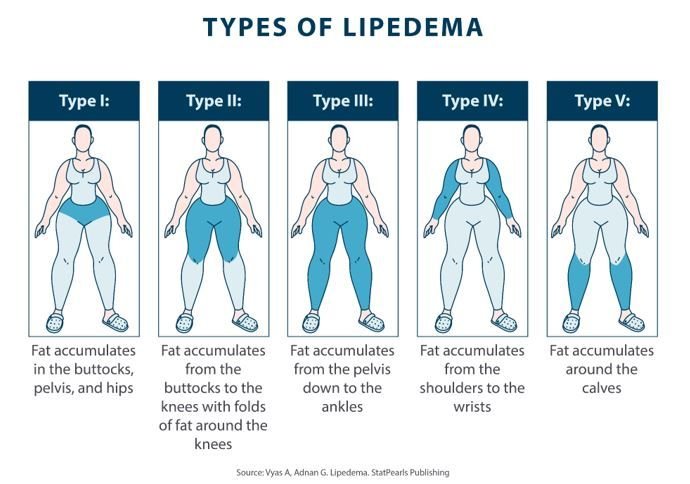
Assessment of fat distribution
Skin and tissue texture
Joint mobility
Checking for signs of lymphoedema
Presence of swelling
Limb measurements
Body composition (where appropriate)
Treatment options - cold laser, TEO, lymphotouch, manual lymphatic drainage (both Macquarie University and Vodder techniques)
These assessments help us determine the stage of your condition and monitor your progress over time.
Understanding Your Diagnosis
I will explain:
What lipoedema is
How it differs from obesity and lymphoedema
Why dieting alone often doesn't reduce lipoedema fat
Factors that may worsen symptoms
What treatments are supported by current evidence
Realistic expectations for long-term management
We encourage questions throughout your appointment and want you to leave feeling informed and empowered.
Following your assessment, we'll develop an individual plan that may include:
Nutrition advice, compression therapy, movement, self -care education, manual lymphatic drainage